Best AC Service Manassas VA – Manassas VA HVAC Company & AC Repair Experts

Best AC Service Manassas VA – Manassas VA HVAC Company & AC Repair Experts

Top Signs That Indicate Your Air Conditioner Needs Immediate Repair by an HVAC Company in Manassas, VA

manassas ac repairYour air conditioner plays an essential role in keeping your home comfortable, especially during warmer months. However, like any other mechanical system, it can show signs of wear and tear over time. Recognizing these signs early can save you from costly repairs or unexpected breakdowns. Here are some of the most common indicators that your AC unit needs immediate attention.

If you notice that the airflow from your vents is weak or nonexistent, it could indicate:
– A clogged air filter restricting airflow
– Issues with the blower motor or fan
– Leaky or damaged ductwork

Regularly replacing your air filters and scheduling routine maintenance can help prevent airflow problems, but if the issue persists, professional repair may be necessary.

When your AC starts blowing warm air instead of cool, refreshing air, it’s a clear sign something is wrong.
– Refrigerant leaks
– A malfunctioning compressor
– Thermostat issues

Addressing this issue quickly is essential to avoid further damage to your HVAC system and maintain indoor comfort.

Unusual noises (such as grinding, banging, or squealing) and unpleasant odors coming from your air conditioning unit often indicate an underlying problem.
– Loose components causing loud noise during operation
– Mold growth in the system leading to musty smells
– Electrical issues producing a burning odor

Prompt diagnosis by an HVAC technician can help ensure these problems don’t escalate.


– Thermostat calibration problems
– Refrigerant levels being too low
– An undersized unit for your cooling space

Ignoring this sign can lead to increased wear on vital components and elevate energy costs.

A sudden spike in energy bills when usage hasn’t changed often signals inefficiency within your HVAC system.
| Cause | Description | Action |
|—————————–|—————————————————————————————————|——————————————|
| Dirty Filters | Force the system to work harder to push air through | Replace filters regularly |
| Failing Components | Motors or compressors working inefficiently | Have components inspected and repaired |
| Refrigerant Issues | Low refrigerant levels causing reduced efficiency | Recharge refrigerant if necessary |

If unresolved, these inefficiencies will strain both your budget and equipment.


– A clogged condensate drain line obstructing water flow
– Ice forming on evaporator coils due to low refrigerant levels

Both scenarios should be resolved quickly to prevent water damage or further complications within the system.

Why Prompt Repairs Matter

Delaying repairs when these warning signs appear can lead to more extensive damage over time. Addressing small issues early ensures better performance, prolongs equipment lifespan, improves indoor air quality, and keeps energy costs under control.

By staying vigilant about these signs and seeking professional assistance when needed, you’ll ensure that your home remains comfortable while avoiding expensive future repairs.

Tips for Finding Reliable Air Conditioning Repair Manassas, VA Services

Weak or no airflow from your HVAC system can create significant discomfort in your home, leading to uneven temperatures and reduced indoor air quality. Addressing this issue promptly is essential, as neglecting it can worsen the problem and lead to costly repairs. This guide will help you identify the causes of weak airflow, understand potential solutions, and ensure your HVAC system operates efficiently.

Common Causes of Weak or No Airflow

  1. One of the most common reasons for weak airflow is a dirty or clogged air filter. Over time, filters accumulate dust, pet dander, and debris, restricting airflow.
  2. Solution: Replace or clean the air filters regularly (typically every 1-3 months). Consider high-efficiency filters for better air quality.
  3. Furniture, drapes, or other objects may obstruct vents and registers, reducing airflow throughout your home.
  4. Solution: Ensure all vents are open and free from obstructions for optimal circulation.
  5. Leaks in your ductwork can cause conditioned air to escape before reaching its destination. This not only weakens airflow but also decreases energy efficiency.
  6. Solution: Schedule ductwork inspections to identify leaks and have them professionally sealed.
  7. The blower motor is responsible for pushing air through your HVAC system. A malfunctioning motor can result in insufficient airflow.
  8. Solution: Contact an HVAC technician to repair or replace the blower motor if necessary.
  9. Dusty evaporator coils hinder heat exchange within the system, leading to reduced performance and weaker airflow.
  10. Solution: Regular maintenance by a professional will keep coils clean and ensure proper system operation.

How to Diagnose Weak Airflow

  • Inspect all registers to confirm they are open and unobstructed.
  • Check your filter for dirt buildup; replace it if it’s dirty.
  • Hold a piece of paper near a vent; if it barely moves when the unit is on full power, airflow is inadequate.
  • Listen for unusual sounds from ducts or vents—whistling noises may indicate leaks.

Preventive Measures

Regular maintenance helps prevent weak or no airflow issues before they occur.

  • Scheduling annual professional inspections for your HVAC system.
  • Cleaning filters monthly during seasons of heavy use (such as summer).
  • Ensuring ducts are cleaned every 3–5 years—or sooner if you notice excessive dust buildup.
  • Monitoring energy bills for sudden increases that might hint at inefficiencies caused by poor airflow.

Table: Common Causes vs Solutions

Cause Solution
Clogged Filters Replace/clean regularly
Blocked Vents Remove obstructions
Leaky Ductwork Professionally seal duct leaks
Blower Motor Fault Repair/replace faulty motor
Dirty Evaporator Coils Schedule professional cleaning

Addressing weak or no airflow issues promptly ensures consistent comfort while extending the life of your HVAC system. Regular upkeep not only prevents breakdowns but also optimizes energy efficiency—saving you money in the long term.

How to Choose the Best AC Service Company Manassas, VA for HVAC Repairs

When your air conditioning system begins blowing warm air instead of the cool, refreshing air you rely on, it’s a clear sign that something is wrong. Ignoring this issue can lead to further complications and costly repairs down the line. Understanding why your HVAC system is blowing warm air can help you pinpoint the root cause and decide when professional repair services are necessary. Professionals like https://www.manassasacrepair.com can help you diagnose and fix the underlying issue.

Common Reasons for Warm Air from Your Vents

Several potential issues could cause your AC to blow warm air.

  • Refrigerant Leaks
    A lack of refrigerant is a frequent culprit when your AC blows warm air. Refrigerant is essential for cooling, as it absorbs heat from the indoor air and releases it outside.
  • Reduced cooling efficiency
  • Hissing or bubbling noises near the unit
  • Ice buildup on refrigerant lines
  • Thermostat Issues
    A malfunctioning thermostat could cause your AC to deliver warm air.
  • Incorrect settings, such as being set to “heat” instead of “cool”
  • Failing sensors within the thermostat that misread room temperature
  • Dirty or Clogged Air Filters
    Neglected filters can restrict airflow, causing the system to overheat and fail to deliver cool air efficiently.
  • Decreased airflow through vents
  • Dust accumulation around vents or in your home
  • Electrical Problems
    Faulty wiring or blown fuses in your HVAC system can cut power to critical components like the compressor, which is responsible for cooling. Without power to the compressor, only uncooled or heated air may circulate.

Troubleshooting Tips Before Calling a Professional

  1. Inspect Thermostat Settings: Ensure that the thermostat is set to “cool” mode and at an appropriate temperature setting.
  2. Examine Air Filters: Check whether filters are dirty or clogged and replace them if necessary.
  3. Check Circuit Breakers: Ensure no tripped breakers have disrupted power supply to key parts of your HVAC system.

If these steps don’t resolve the issue, it’s best not to attempt further DIY fixes that could potentially worsen problems.

When Immediate Repairs Are Necessary

Problem Why Immediate Repair Is Needed
Refrigerant Leak Can damage components like compressors; poses health risks
Electrical Issues Risk of fire hazards or complete system failure
Frozen Evaporator Coil Often linked with airflow issues; impacts entire system

Delaying repairs in these cases could lead to more extensive damage and higher energy consumption.

Preventing Warm Air Issues in Your AC System

  • Schedule annual tune-ups with licensed technicians.
  • Replace air filters every one to three months depending on usage levels.
  • Inspect outdoor condenser units regularly for debris buildup.

Proactive care ensures that minor issues don’t escalate into major malfunctions while keeping energy efficiency optimized throughout the year.

Understanding these warning signs empowers homeowners with knowledge about their HVAC systems and ensures long-term performance with minimal disruptions.

Addressing Strange Noises or Smells Coming from Your Air Conditioning Unit

Unusual noises or strange odors coming from your air conditioning unit are often early signs of underlying issues that require immediate attention. Ignoring these signs can lead to bigger problems, costly repairs, or even complete system failure. Understanding what these sounds or smells mean can help you take the right steps toward timely HVAC repair.

Common Noises and Their Causes

When your AC starts making unusual sounds, it’s often indicative of a mechanical issue.

  • Banging or Clanking: Indicates a loose or broken component inside the compressor or blower assembly. This could include fans, connecting rods, or even the motor mount.
  • Hissing: A hissing sound often points to refrigerant leaks, which can severely impact system performance and energy efficiency.
  • Squealing: This could be due to worn-out belts, an issue with the blower motor bearing, or high internal pressure in the compressor.
  • Clicking: Persistent clicking may indicate electrical problems such as failing relays or control malfunctions.

If you hear any of these noises, it’s essential to contact a professional HVAC technician to diagnose and resolve the issue promptly.

Unpleasant Odors and Their Implications

Strange smells emanating from your air conditioning unit can stem from various issues.

Odor Type Possible Cause Action Needed
Musty/Moldy Smell Mold or mildew growth in ducts/coil Clean ductwork and check evaporator coil
Burning Smell Electrical wiring issue/overheating motor Shut off system immediately; call a technician
Rotten Egg Smell Dead animal in vents Inspect vents for pests; deep clean as needed
Chemical Smell Refrigerant leak Professional inspection and repair

It’s important not to ignore these smells, as they can indicate potential health hazards like microbial growth (mold) or dangerous leaks (refrigerant).

What You Should Do Next

  1. Turn Off Your System:Running your AC while it’s malfunctioning can lead to further damage.
  2. Inspect Visible Components:While waiting for a technician, you can visually inspect accessible parts (e. g. , filters) for dirt buildup but avoid tampering with internal components.
  3. Schedule Professional Service:Strange noises and smells usually require expert diagnosis and repair by an HVAC professional.

Timely action not only ensures consistent comfort but also helps prevent small issues from escalating into major repairs that could strain your budget.

Frequent Cycling or Long Run Times: What It Means for HVAC Repairs

Efficient HVAC systems are designed to maintain a comfortable indoor temperature by cycling on and off at regular intervals. However, if your system is frequently cycling on and off (short cycling) or running for extended periods without shutting down, it may be a sign of underlying problems requiring professional repair. Understanding these issues can help you address them promptly and avoid more significant damage.

What Is HVAC Cycling?

HVAC cycling refers to how often your heating or cooling system turns on (starts) and turns off (stops). When functioning properly, your system should cycle periodically based on the thermostat’s settings. Abnormal cycling patterns, including too-frequent starts or excessively long run times, often indicate inefficiencies within the system.

Common Causes of Frequent Cycling

Short cycling can result from various issues ranging from minor adjustments to significant component failures.

  • Dirty Air Filters: A clogged air filter restricts airflow, causing the system to overheat and shut down prematurely.
  • Oversized or Undersized Unit: If your HVAC system is improperly sized for your home, it may cycle too quickly or struggle to maintain the desired temperature.
  • Thermostat Issues: A faulty thermostat can misread temperatures or send incorrect signals, leading to irregular cycles.
  • Refrigerant Problems: Low refrigerant levels or leaks disrupt the cooling process and strain the system during operation.
  • Electrical Malfunctions: Issues with wiring or control boards can cause erratic behavior in starting and stopping cycles.

Why Long Run Times Are Problematic

While short cycling gets more attention, excessively long run times are also a red flag.
1.Increased Wear and Tear– Continuous running accelerates the aging of mechanical components like motors and compressors. 2.Higher Energy Bills– Extended usage unnecessarily increases energy consumption. 3.Inconsistent Indoor Comfort– The inability to reach thermostat settings efficiently results in fluctuating indoor temperatures.

Tips for Diagnosing Frequent Cycling or Long Run Times

Issue DIY Solution When to Call a Pro
Dirty Air Filter Replace with a new filter every 1-3 months If changing the filter doesn’t resolve it
Thermostat Settings Ensure proper programming; check battery levels If thermostat screen malfunctions
Blocked Vents Clear debris around air vents If airflow remains weak after clearing

For more complex causes like refrigerant leaks or electrical faults, it’s essential to rely on certified technicians with specialized tools.

The Importance of Timely Repairs

  • Prevents System Failure: Prompt repairs ensure small problems don’t escalate into costly breakdowns.
  • Improves Energy Efficiency: Resolving these issues restores optimal performance, reducing utility expenses.
  • Enhances Lifespan: Addressing minor repairs early helps extend the life of critical components.

Both scenarios—frequent cycling and prolonged operation—are symptoms of inefficiencies that need immediate attention. Regular servicing is the most effective way to prevent these problems while keeping your home comfortable year-round.

How Manassas AC Repair Can Help Resolve Rising Energy Bills

When you notice a sudden spike in your energy bills, your HVAC system might be the culprit. A malfunctioning heating or cooling unit often works harder to maintain the desired indoor temperature, leading to increased energy consumption. This can result from a variety of underlying issues within the system that need immediate attention. Below, we’ll explore how unusually high energy bills can indicate HVAC problems and what steps you can take to address them.

Common Causes of Increased Energy Usage in HVAC Systems

  1. One of the most frequent causes of high energy bills is a dirty air filter.
  2. A clogged filter restricts airflow, forcing the system to work harder to push air through the vents.
  3. Regularly replacing or cleaning air filters can help restore efficiency and lower energy consumption.
  4. If ducts aren’t properly sealed, cool or warm air can escape before it reaches your living areas.
  5. This means your HVAC unit has to run longer and consume more energy to maintain indoor comfort levels.
  6. Consider having your ductwork inspected for leaks and properly sealed by professionals.
  7. Faulty thermostats can cause inaccurate temperature readings or fail to signal the HVAC system when to turn off, leading to extended run times.
  8. Upgrading to a programmable or smart thermostat may resolve such inefficiencies while allowing for better control over energy usage.
  9. Older HVAC systems naturally lose efficiency over time due to wear and tear on components like motors, compressors, and fans.
  10. If your unit is more than 10–15 years old, it may require frequent repairs that add up in cost alongside higher utility bills.
  11. Low refrigerant levels not only reduce cooling performance but also force the compressor to work overtime, consuming more electricity in the process.
  12. This issue is often accompanied by symptoms such as warm air blowing from vents or ice buildup on refrigerant lines.

Steps You Can Take

  • Schedule regular maintenance with licensed technicians who can inspect all components for wear or damage.
  • Clean or replace air filters every 1–3 months depending on usage and environmental conditions.
  • Seal any gaps around windows, doors, and ductwork that could be contributing to heat loss or gain.
  • Upgrade older systems with newer models certified by ENERGY STAR® for better performance and reduced energy consumption.

Energy Cost Impact Table

Cause Potential Energy Cost Increase (%) Suggested Action
Dirty Air Filters 5–15% Clean/replace filters regularly
Leaky Ductwork 20–30% Inspect/seal leaks professionally
Old Equipment Upwards of 30% Replace aging HVAC units
Low Refrigerant 10–25% Recharge refrigerant; fix leaks

When Should You Call a Professional?

If you’ve addressed basic upkeep tasks like replacing filters but continue experiencing higher-than-usual energy bills month after month, it’s time to consult an experienced technician. Professionals have access to diagnostic tools that detect less obvious issues like motor failures, electrical faults, or hidden duct leaks.

Prompt attention not only resolves current inefficiencies but also prevents further damage that could lead to costly repairs down the line while ensuring long-term comfort for you and your family at a manageable cost level.

Don’t Wait Until Your AC Breaks: The Importance of Prompt Repairs

When it comes to maintaining the comfort and air quality in your home, your air conditioning system plays a critical role. Unfortunately, many homeowners delay repairs until their AC unit stops working altogether. This approach often leads to higher repair costs, reduced efficiency, and uncomfortable living conditions. Here’s why addressing issues promptly is essential.

Prevent Costly Repairs

Minor problems in an air conditioner can quickly escalate into major issues if left unattended.
Dirty Air Filters: Neglecting clogged filters can cause strain on the system, leading to damage to sensitive components like the blower motor or compressor.
Refrigerant Leaks: A small refrigerant leak might seem insignificant but can cause your AC to overwork, eventually burning out the compressor—a costly repair or replacement.

By addressing smaller problems as they arise, you can prevent significant damage down the line and save money in the long run.

Maintain Energy Efficiency

A malfunctioning air conditioner often requires more energy to cool your home effectively. This inefficiency not only leads to higher utility bills but also increases wear and tear on the unit.

Signs that your HVAC system may be losing efficiency include:
Longer Run Times: The AC takes longer than usual to reach the set temperature.
Frequent Cycling

Scheduling prompt repairs ensures your system runs at peak performance while reducing energy consumption.

Enhance Indoor Comfort and Air Quality

Delaying repairs affects more than just mechanical parts—it impacts your comfort and health too.
1.Weak or Uneven Cooling: Certain areas of your home may feel warmer than others due to airflow issues or low refrigerant levels.
2.Increased Humidity Levels: A failing AC cannot properly regulate humidity, leading to a clammy or sticky environment inside.

Additionally, neglecting maintenance allows dust, allergens, and mold growth within the system, which can affect air quality and aggravate allergies or respiratory conditions.

Extend System Lifespan

Routine maintenance and timely repairs significantly contribute to extending the lifespan of your HVAC equipment. Ignoring warning signs forces components like compressors or fans to work harder under stress, shortening their operational life expectancy.

To keep your system running smoothly for years: – Replace filters regularly (every 1-3 months).
– Schedule professional inspections annually. – Address any unusual sounds or leaks immediately.

Quick Action Saves You from Emergencies

AC breakdowns during extreme weather are inconvenient at best—and dangerous at worst during heatwaves when cooling is crucial for safety. By taking action when early symptoms appear (e. g. , strange noises or decreased performance), you reduce the likelihood of unexpected failures when you need cooling most urgently.

Common Warning Signs Potential Outcome if Ignored
Strange Noises Damage to motors/blades
Warm Air Blowing Refrigerant loss/compressor failure
Frequent Cycling Electrical issues

Staying proactive about HVAC repairs minimizes both stress and expenses over time while ensuring consistent comfort for you and your family throughout each season.

Don’t Wait Until Your AC Breaks: The Importance of Prompt Repairs

Your air conditioner plays a critical role in maintaining comfort and air quality in your home. However, many homeowners often delay necessary repairs until their AC unit completely breaks down. This approach can lead to costlier repairs, decreased efficiency, and discomfort during peak usage seasons. Addressing issues promptly is essential to ensure the longevity and optimal performance of your HVAC system.

Why Prompt Repairs Matter

Failing to address minor issues with your AC system can result in larger problems over time.

  • Prevent Escalation of Issues: A small refrigerant leak or worn-out component may seem minor now but could lead to total system failure if left unaddressed.
  • Lower Repair Costs: Resolving problems early typically costs less than dealing with extensive damage caused by prolonged neglect.
  • Energy Efficiency: Faulty components force your air conditioner to work harder, increasing energy consumption and utility bills.
  • Prolonged Lifespan: Regular maintenance and timely repairs reduce wear and tear on the system, extending its operational life.

Signs You Shouldn’t Ignore

  1. Uneven Cooling or Warm Air
    If some rooms feel warmer than others or warm air is blowing from vents instead of cool air, it’s a clear sign that something is wrong with your system.
  2. Increased Energy Bills
    A sudden spike in energy bills often points to decreased efficiency caused by unresolved mechanical issues.
  3. Strange Noises or Smells
    Grinding, banging, or squealing noises should be inspected immediately. Similarly, musty odors could indicate mold growth within the ductwork.
  4. Weak Airflow
    Inadequate airflow may signal blockages in the ducts or problems with the blower motor.
  5. Moisture or Leaks Around the Unit
    Pooled water near your AC unit can stem from clogged drain lines or refrigerant leaks—both of which require professional repair.

Costs of Delaying Repairs

Delaying necessary HVAC repairs can result in significant financial consequences over time.

Issue Cost of Immediate Repair Cost After Delay Potential Consequence
Refrigerant Leak $200–$1,500 $2,000–$4,000 (compressor damage) Full compressor replacement needed
Clogged Condensate Drain $75–$250 $500–$1,200 (water damage) Water leaks damaging walls/flooring
Worn Fan Belt $100–$200 $500+ (motor replacement) Blower motor failure

Addressing small fixes quickly prevents long-term damage that may require replacing major components—or even the entire unit.

Benefits of Professional Maintenance

While some minor tasks like cleaning filters can be handled by homeowners, professional maintenance ensures thorough inspections and expert repair services.

  • Accurate diagnosis of hidden issues
  • Preventative measures against future breakdowns
  • Warranty protection for newer systems

Scheduling annual maintenance check-ups before peak seasons is an excellent way to identify potential problems early.

Final Thoughts

Taking a proactive approach toward HVAC maintenance ensures not only uninterrupted comfort but also savings on utility bills and repair costs down the road. Don’t wait until your AC stops working altogether—act promptly when you notice any signs of trouble to keep your home comfortable year-round while protecting one of your most valuable household investments.


Finding a Reliable HVAC Company Manassas, VA for Your Home System Repairs

The worker cleans and repairs the air conditioner to ensure it operates properly The worker cleans and repairs the air conditioner to ensure it operates properly. hvac company stock pictures, royalty-free photos & images

Your heating, ventilation, and air conditioning (HVAC) system is a vital component of your home. It ensures comfort across seasons, maintains indoor air quality, and optimizes energy efficiency. However, when this system malfunctions, it’s not just a matter of inconvenience — it could lead to costly energy bills or even health risks. This is where the expertise of HVAC professionals becomes indispensable.

Why You Should Rely on HVAC Experts

  • Proper Diagnosis: HVAC technicians are trained to efficiently identify the root cause of issues through advanced tools and techniques.
  • Preventative Care: Beyond fixing immediate problems, experts can spot potential issues before they become costly repairs.
  • Energy Efficiency: HVAC professionals ensure that your system operates at peak performance while minimizing energy consumption.
  • Safety Compliance: Repairs often involve handling refrigerants or electrical wiring; professionals adhere to safety regulations to protect you and your property.

Common Repairs Handled by HVAC Experts

Issue Potential Cause Professional Solution
Uneven heating/cooling Blocked vents or dirty filters Clean ducts/filters; recalibrate thermostat
Unusual noises Loose parts or fan motor issues Tighten components; inspect motor for wear-and-tear
Refrigerant leaks Corroded coil or poor installation Locate leak; recharge refrigerant while following EPA standards
Short cycling (frequent on/off) Thermostat issues or dirty coils Replace thermostat; clean evaporator/condenser coils

Benefits of Hiring HVAC Professionals

  1. Cost Savings: While professional services may seem expensive upfront, they help save money in the long run by preventing recurring problems and improving efficiency.
  2. Peace of Mind: Trained experts give you confidence that repairs are done right the first time.
  3. Access to Advanced Equipment: Professionals use specialized tools that most homeowners don’t have access to.
  4. Warranty Protection: Many manufacturers require professional servicing to maintain warranty validity.

Key Traits of Reliable HVAC Experts

When selecting an HVAC technician for repairs, consider the following qualities:
– Appropriate certifications such as NATE (North American Technician Excellence).
– Positive customer reviews showcasing reliability and professionalism. – Transparent pricing policies with detailed estimates before starting work. – Availability for emergency services when urgent fixes are needed.

Investing in experienced HVAC professionals ensures not just effective repairs but also enhances the longevity of your system’s lifespan while keeping your home safe and comfortable year-round.

When to Call a Professional for Manassas AC Repair

Proper HVAC system maintenance is essential to keep your home comfortable and energy-efficient. However, even with regular upkeep, issues can arise that require the expertise of a professional. Knowing when to call an HVAC technician can save you time, money, and prevent further damage to your system.

How to Tell If You Need Air Conditioning Repair Manassas, VA

  • Unusual Noises: Grinding, banging, or squealing sounds coming from your HVAC system often signal mechanical problems such as loose components or motor issues.
  • Reduced Efficiency: If your energy bills spike unexpectedly without changes in usage or if your home isn’t maintaining a consistent temperature, your system may need repair.
  • Inconsistent Airflow: Uneven distribution of warm or cool air across rooms could indicate ductwork problems or blockages in the system.
  • Short Cycling: Frequent turning on and off of the unit might point to thermostat malfunctions or overheating components.
  • Presence of Odors: Musty smells can indicate mold growth inside ducts, while burning odors may suggest electrical issues.

Choosing an AC Service Company Manassas, VA: DIY vs Professional Repairs

While some minor issues like replacing air filters can be handled by homeowners, complex repairs require professional intervention. Attempting advanced fixes without proper training can not only worsen the issue but also void warranties or lead to safety hazards.

Area of Concern Why Professionals Are Needed Risks of DIY Fixes
Refrigerant Leaks Requires specialized equipment and EPA-certified handling Improper handling poses health risks
Electrical Issues Technicians ensure safe handling and code compliance Risk of electrical shock or fire
Component Replacement Accurate diagnosis ensures correct parts are installed Incorrect parts may cause further damage
System Diagnostics Advanced tools identify underlying causes efficiently Misdiagnosis leads to recurring problems

The Risks of Delaying Repairs

Failing to address HVAC issues promptly can lead to:
– Higher utility bills due to inefficient operation
– Increased wear and tear on components
– Reduced lifespan of the entire system
– Poor indoor air quality that impacts health

Benefits of Early Professional Intervention

Hiring an HVAC professional at the first sign of trouble offers several advantages:
1. Cost Savings: Minor repairs are less expensive than major overhauls caused by prolonged neglect.
2. Improved Comfort: Quick fixes restore optimal performance, ensuring consistent heating and cooling throughout your home.
3. Safety Assurance: Technicians follow industry standards to protect you from potential hazards like carbon monoxide leaks or electrical fires.

Maintaining open communication with a trusted HVAC company simplifies decision-making during emergencies while helping you avoid unnecessary expenses over time.

Why Cooling Services Go Beyond Simple Fixes in HVAC Repair

Cooling services are a critical component of HVAC repair, but they involve far more than just addressing surface-level issues. Proper cooling system maintenance, troubleshooting, and repair require expertise, precision, and a comprehensive analysis of the various elements that make up your HVAC system. Below are several reasons why cooling services extend beyond basic fixes and how professional care can make a significant difference.

Comprehensive System Diagnostics

  • Inspecting refrigerant levels: Low refrigerant may indicate leaks or improper charging during previous repairs.
  • Examining electrical components: Faulty wiring or worn-out capacitors can lead to cooling inefficiencies or complete system failure.
  • Evaluating airflow: Poor airflow might stem from clogged filters, blocked ductwork, or malfunctioning fans.

By performing these diagnostics, technicians ensure long-term performance rather than quick fixes that may fail again soon after.

Routine Maintenance as Prevention

  • Cleaning coils to improve heat exchange efficiency
  • Checking thermostat calibration for accurate temperature control
  • Lubricating moving parts to reduce wear and tear on components
  • Tightening electrical connections for safer operation

These proactive steps help keep your system running efficiently while reducing the likelihood of costly repairs later.

Enhancing Energy Efficiency

Service Task Efficiency Benefit
Sealing duct leaks Prevents conditioned air from escaping
Replacing old filters Reduces strain on the blower motor
Upgrading to programmable thermostats Optimizes energy usage based on daily schedules

HVAC experts also assess whether older units should be replaced with high-efficiency systems to save on utility bills over time.

Addressing Indoor Air Quality Concerns

  • Installing UV lights to eliminate bacteria within the ductwork
  • Adding air purifiers or advanced filtration systems for cleaner air
  • Ensuring proper humidity control to prevent mold growth

By taking these additional steps as part of your cooling service plan, HVAC professionals help create a healthier indoor environment.

Long-Term Savings Through Professional Care

Investing in quality cooling services can yield financial benefits over time by preventing frequent breakdowns and increasing energy savings. Rather than opting for quick DIY solutions or budget-friendly but unqualified technicians, relying on certified professionals ensures durability and reliable operation throughout your system’s lifespan.

Ultimately, professional cooling services encompass not just repair work but also preventive care and energy optimization—ensuring your home remains comfortable while minimizing unexpected expenses down the line.

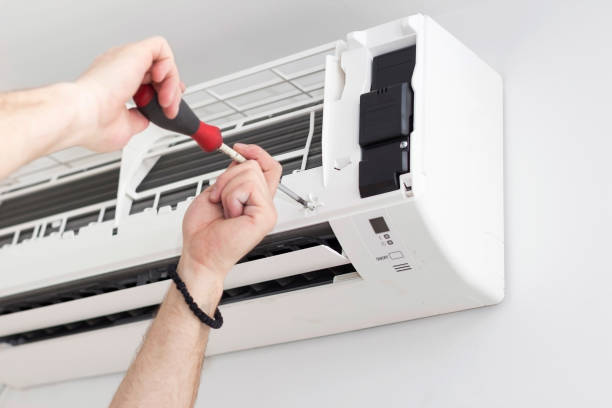
Technician with screwdriver repairing air conditioner at home Air conditioner maintenance or repair hvac company stock pictures, royalty-free photos & images

How Ventilation Plays a Key Role in Protecting Air Quality During HVAC Repairs

Proper ventilation is a crucial yet often overlooked aspect of HVAC repair. When your HVAC system is undergoing maintenance or repairs, the air quality in your home can be directly impacted. Without adequate ventilation, contaminants like dust, debris, and even harmful gases can accumulate, posing potential health risks to you and your family. Below, we’ll explore why ventilation matters and how it ensures the safety and comfort of your living space during the repair process.

The Importance of Ventilation During HVAC Repairs

  1. During HVAC repairs, technicians may need to access ductwork or components that have accumulated dust over time.
  2. Proper ventilation helps prevent this dust from spreading throughout your home by directing it away from living spaces.
  3. In certain cases, repairs may involve removing mold-contaminated insulation or addressing issues with old systems that release particles like asbestos or fiberglass.
  4. A well-ventilated space ensures these particles are contained and safely filtered out.
  5. Clean airflow allows professionals to work more effectively by reducing exposure to potentially hazardous conditions during repair procedures.

Key Benefits of Ventilated Repair Areas

Benefit Impact on Home Environment Example Scenarios
Cleaner Indoor Air Quality Reduces allergens and irritants Dust removal during duct cleaning
Safer Living Conditions Prevents buildup of dangerous gases Repairing faulty gas furnaces
Comfortable Environment Maintains balanced airflow indoors Work on air handlers or blowers

Best Practices for Effective Ventilation During Repairs

  • Use Temporary Air Filters: Install high-efficiency particulate air (HEPA) filters near the work area to trap airborne particles.
  • Seal Off Unaffected Zones: Use plastic sheeting or barriers to isolate rooms not involved in the repair work.
  • Open Windows Strategically: If weather permits, open windows in areas far from the repair zone to enhance natural ventilation without spreading debris.
  • Utilize Exhaust Fans: Run bathroom or kitchen exhaust fans as additional support to expel contaminated air outside.
  • Rely on Professional Expertise: Certified technicians are trained to use specialized tools such as negative-pressure machines that prevent pollutants from circulating.

Signs Your Ventilation May Be Insufficient During Repairs

  • Persistent odors from chemicals or materials used in repairs.
  • Visible accumulation of dust beyond the immediate work area.
  • Difficulty breathing due to increased airborne irritants.
  • Lingering humidity caused by blocked airflow.

Addressing these signs promptly with professional help can protect both your health and overall indoor comfort.

By prioritizing proper ventilation during HVAC repairs, homeowners not only safeguard their indoor environment but also promote a smoother repair process overall. Always consult with experienced professionals who understand how vital clean airflow is throughout every stage of servicing your heating and cooling systems.

Stay Comfortable with Expert HVAC Repair Services Tailored to Your Needs

When your heating, ventilation, and air conditioning system starts underperforming or breaks down entirely, discomfort can quickly set in. Expert HVAC repair services exist to provide tailored solutions that address your specific needs while keeping you comfortable year-round. Here’s a look at how professional repair services ensure efficient and effective solutions customized for your home or business.

Comprehensive Assessment of Your HVAC System

  • Checking system components: Inspecting compressors, motors, fans, and thermostats for wear and tear or damage.
  • Identifying airflow issues: Analyzing blockages in ductwork or restricted airflow due to dirty filters.
  • Diagnosing inefficiencies: Testing refrigerant levels, heat pumps, and energy consumption patterns.

By performing these diagnostics, technicians can develop a targeted repair plan that addresses the unique requirements of your space.

Customized Solutions for Different Scenarios

  • Uneven heating or cooling: Balancing temperature distribution across rooms by calibrating thermostats or repairing dampers.
  • Excessive energy bills: Improving efficiency through component upgrades or sealant applications in ductwork.
  • Noisy operation: Lubricating moving parts or replacing faulty bearings to reduce operational noise levels.
  • Poor indoor air quality: Cleaning ducts and installing advanced air filtration systems if allergens and contaminants are present in the airflow.

This personalized approach not only restores comfort but also enhances system reliability.

Preventative Maintenance Recommendations

Maintenance Task Frequency Benefits
Filter replacement Every 1–3 months Improves airflow; enhances energy efficiency.
Ductwork inspection Annually Identifies leaks; reduces energy loss.
Coil cleaning Annually Maintains cooling performance; prevents ice buildup.
Thermostat calibration Semi-annually Ensures accurate temperature control.

Adopting these practices minimizes unexpected costs associated with emergency repairs.

Emphasis on Customer Comfort

  • Flexible scheduling options for minimal inconvenience.
  • Transparent cost estimates before beginning any work.
  • Use of high-quality replacement parts sourced from reliable manufacturers.
  • Educating homeowners about self-care tips to maintain long-term performance.

With expert guidance and support, staying comfortable becomes effortless regardless of seasonal changes.

Professionally tailored repair services focus on more than just fixing technical issues—they aim to optimize overall comfort while ensuring long-term efficiency and reliability within your space through personalized attention at every step.


Ensuring Optimal Performance with Regular Manassas AC Repair

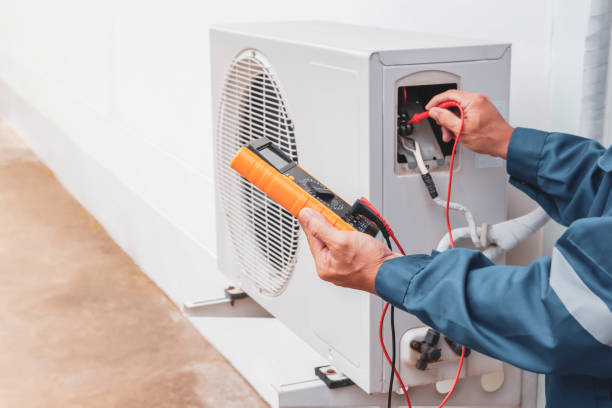
Air conditioner, meter and electrician man for ac repair, maintenance and electrical power services on fan system. Person, technician or contractor with electricity, box check and hvac engineering Air conditioner, meter and electrician man for ac repair, maintenance and electrical power services on fan system. Person, technician or contractor with electricity, box check and hvac engineering hvac company stock pictures, royalty-free photos & images

Regular HVAC repairs and maintenance are essential to ensure that your heating, ventilation, and air conditioning system operates efficiently. Neglecting routine care can lead to poor performance, increased energy costs, and potential breakdowns. Below, we explore why consistent attention to your HVAC system is crucial.

Benefits of Regular HVAC Repairs

  1. A well-maintained HVAC system uses less energy to heat or cool your home. This translates into lower utility bills and a reduced carbon footprint.
  2. For instance, cleaning or replacing air filters regularly can improve airflow, allowing the system to work less strenuously.
  3. Addressing minor issues before they escalate prevents wear and tear on critical components.
  4. Routine servicing helps systems last several years longer than those left without care.
  5. Regular repairs ensure that your home remains at a comfortable temperature year-round.
  6. Proper maintenance also minimizes risks like uneven heating or cooling in different areas of the house.
  7. Proactive maintenance identifies potential failures early, preventing unexpected disruptions.
  8. This is particularly important during peak seasons (winter and summer) when the demand for HVAC systems is highest.

Signs Your HVAC System May Need Repairs

Being proactive about recognizing potential problems can save you time and money.

  • Unusual noises such as rattling, banging, or squealing coming from the unit.
  • Weak airflow from vents even when the system is running at full capacity.
  • An unexplained increase in energy bills without changes in usage patterns.
  • Inconsistent temperatures throughout your home.
  • Frequent cycling (turning on and off) of the unit.

Preventative Maintenance Checklist

One way to avoid costly repairs is by adhering to a preventative maintenance schedule.

Task Frequency
Check and replace air filters Monthly
Clean condenser coils Annually
Inspect refrigerant levels Annually
Tighten electrical connections Biannually
Lubricate moving parts Biannually
Test thermostat calibration Annually

Professional vs DIY Maintenance

  • DIY Tasks:Replacing filters, clearing blocked vents, or cleaning exterior components like grills and ducts.
  • Professional Repairs:Refrigerant handling, electrical wiring issues, motor replacements, or fan blade adjustments require certified technicians due to safety risks.

Regular repairs not only protect your investment but also ensure that you’re living comfortably while maintaining an energy-efficient household all year long. Always consult a licensed professional for significant repairs or inspections to keep your system running smoothly for years ahead.

How to Choose the Right HVAC Company Manassas, VA for Effective Refrigerant Line Repairs

Refrigerant lines are a crucial component of any HVAC system, as they facilitate the transfer of heat, which is essential for both heating and cooling your space. Understanding how these lines work and their importance can help homeowners identify potential issues early while also ensuring that repairs are handled effectively. This article explores the role of refrigerant lines, common problems associated with them, and tips for maintaining their functionality.

What Are Refrigerant Lines?

Refrigerant lines transport the refrigerant—a chemical compound that absorbs and releases heat—between the indoor evaporator coil and the outdoor condenser unit.

  • Suction Line:The larger insulated line that carries low-pressure gas (refrigerant) from the evaporator coil to the compressor.
  • Liquid Line:The thinner copper line that carries high-pressure liquid refrigerant back to the indoor unit.

These lines are integral to achieving consistent cooling or heating within your home.

Common Issues with Refrigerant Lines

Over time, refrigerant lines can develop problems due to wear and tear or improper installation.

  1. Caused by corrosion, poor connections, or physical damage.
  2. Leads to a loss of refrigerant efficiency and insufficient cooling/heating.
  3. Dirt, debris, or ice buildup inside the line can restrict refrigerant flow.
  4. Causes uneven temperatures and reduced system performance.
  5. Worn-out insulation on suction lines allows heat exchange with surrounding air.
  6. Reduces efficiency and increases energy consumption.
  7. Bent or crushed pipes can disrupt refrigerant flow.
  8. May lead to compressor failure over time.

Signs Your Refrigerant Lines May Need Attention

Recognizing warning signs early can save you from costly repairs later.

  • Uneven cooling or heating throughout your home.
  • Hissing sounds near your outdoor condenser unit (a potential sign of leaks).
  • Higher-than-normal energy bills despite consistent usage.
  • Ice buildup on suction lines or around other components of your AC unit.
  • Weak airflow from vents.

If you notice any of these symptoms, schedule an inspection with a licensed HVAC technician promptly.

How Proper Maintenance Prevents Problems

Routine maintenance plays a vital role in keeping refrigerant lines functioning properly.

  • Check Insulation:Inspect suction line insulation regularly for cracks or wear; replace it if necessary.
  • Inspect for Visible Damage:Look for kinks or bends along exposed piping outside your home.
  • Clean Surrounding Areas:Ensure there’s no debris near outdoor units that could damage pipes over time.

For more technical tasks such as checking for leaks or recharging refrigerants, always consult certified professionals to avoid further complications.

Table: Key Differences Between Suction Line & Liquid Line

Feature Suction Line Liquid Line
Size Larger diameter Smaller diameter
Insulation Yes No
State of Refrigerant Low-pressure gas High-pressure liquid
Common Issues Ice buildup; insulation wear Leaks; blockages

Maintaining efficient operations within your HVAC system is heavily dependent on ensuring that all components—including refrigerant lines—are functioning as intended. By understanding their importance and addressing issues promptly, you’ll prolong the lifespan of your system while ensuring optimal comfort year-round. Always rely on trained professionals for inspections and repairs to ensure safety and quality workmanship.

The worker cleans and repairs the air conditioner to ensure it operates properly The worker cleans and repairs the air conditioner to ensure it operates properly. hvac company stock pictures, royalty-free photos & images

Importance of Refrigerant Lines in Air Conditioning Repair Manassas, VA

Refrigerant lines play a crucial role in the functionality of your HVAC system, ensuring efficient cooling and heating throughout your home or building. Proper maintenance and repair of these lines are essential to keep your system operating at peak performance. Let’s dive into the importance of refrigerant lines, common problems they face, and how to address these issues effectively.

What Are Refrigerant Lines?

Refrigerant lines are critical components in an HVAC system that transport refrigerant between the indoor evaporator coil and the outdoor condenser unit.

  • Suction Line (Low-Pressure Line): This carries refrigerant gas back to the compressor after it absorbs heat indoors.
  • Liquid Line (High-Pressure Line): This transports liquid refrigerant from the compressor to the evaporator coil for cooling purposes.

Both lines need to be properly insulated and maintained to ensure efficient temperature control and avoid energy waste.

Common Problems with Refrigerant Lines

Over time, refrigerant lines can develop issues that impact your HVAC system’s performance.

  • Refrigerant Leaks: Small cracks or pinholes in the line can cause refrigerant to escape, reducing cooling efficiency.
  • Damaged Insulation: The insulation surrounding suction lines can deteriorate due to age or weather exposure, leading to energy loss.
  • Clogs or Blockages: Dirt, debris, or ice buildup can obstruct the flow of refrigerants within the line.
  • Corrosion: Exposure to moisture or contaminants may result in corroded pipes that weaken over time.

Signs Your Refrigerant Lines Need Attention

  1. Inconsistent Cooling/Heating– Uneven temperatures across rooms could indicate a problem with your refrigerant levels.
  2. Hissing Sounds– A sign that there might be a leak somewhere along the line.
  3. Frost Buildup on Lines– Ice forming on suction pipes could point toward insulation failure or low refrigerant levels.
  4. Increased Energy Bills– A struggling system often works harder than necessary due to improper refrigerant flow.

Steps for Effective Repair

  1. Use a detection tool (such as an electronic leak detector) to locate leaks.
  2. Seal minor leaks with an appropriate sealant; replace sections with extensive damage.
  3. Replace worn-out insulation materials on suction lines using foam pipe sleeves.
  4. Ensure tight seals around joints for maximum energy retention.
  5. Flush blockages from clogged liquid or suction pipes using professional-grade cleaning solutions if necessary.
  6. After repairing leaks, ensure proper recharging by adding manufacturer-recommended levels of coolant into your system.

Preventative Measures for Long-Term Performance

  • Schedule annual maintenance checks with a certified technician.
  • Regularly inspect visible portions of both suction and liquid lines for damage.
  • Avoid overloading your HVAC unit by ensuring proper thermostat settings.

By staying proactive about inspecting and maintaining your HVAC’s refrigerant lines, you’ll improve overall efficiency while reducing long-term repair costs associated with neglecting this vital component.

Essential Tips from an AC Service Company Manassas, VA for Preventing HVAC Clogs and Improving Efficiency

Clogs in your HVAC system can significantly diminish its efficiency, lead to increased energy bills, and strain the system’s components. Addressing these blockages promptly is critical to maintaining the performance and longevity of your heating and cooling system. Below are the key steps you can take to identify, address, and prevent clogs in your HVAC system.

Signs of Clogs in Your HVAC System

Detecting blockages early can save time, money, and potential damage.

  • Reduced Airflow:A noticeable reduction in airflow from vents is often caused by clogged ducts or filters.
  • Inconsistent Temperatures:Uneven heating or cooling within different areas of your home may point to a blockage.
  • Unusual Noises:Strange sounds such as whistling or banging could indicate air trying to pass through obstructions.
  • Higher Energy Bills:If clogs are forcing your system to work harder than normal, you’ll likely notice an increase in energy use.

Steps to Remove Clogs Effectively

  1. Dirty or clogged air filters are one of the most common sources of reduced airflow.
  2. Remove and inspect filters regularly (typically every 1-3 months). Replace them as needed with high-quality filters recommended for your unit.
  3. Use a vacuum with a long hose extension to clean duct interiors if accessible.
  4. For extensive blockages or contamination (e. g. , mold), consult a professional duct cleaning service.
  5. Clogged drain lines can inhibit proper moisture removal from the air.
  6. Use a wet/dry vacuum on the outside condensate line opening or flush it with distilled vinegar periodically.
  7. Leaves, dirt, grass clippings, or other obstructions near outdoor units can clog ventilation fins.
  8. Clear debris around the unit regularly using gloves or soft brushes for hard-to-reach areas.
  9. Ensure all vents and registers are open and not obstructed by furniture or rugs.
  10. Clean grilles with a damp cloth to remove dust buildup that might hinder airflow.

Preventative Measures for Future Efficiency

  • Schedule professional maintenance twice a year (spring & fall) for thorough cleaning and tune-ups.
  • Replace air filters more frequently during peak usage seasons (summer & winter).
  • Install programmable thermostats to minimize strain on your system during non-essential hours.
Component Frequency of Maintenance Required Recommended Action
Air Filters Every 1–3 months Replace
Ductwork Every 2–5 years Inspect/Clean professionally
Condensate Drain Every 6 months Flush with distilled vinegar
Outdoor Unit Fins Monthly during warm seasons Clear debris

By following these steps consistently and addressing any signs of clogs immediately, you can ensure better efficiency from your HVAC system while reducing unnecessary wear on its components over time.

The Critical Role Fan Blades Play in HVAC Functionality and When They Require Repair

Fan blades are an integral component of any HVAC system, playing a critical role in ensuring proper airflow and maintaining the overall efficiency of the unit. When functioning correctly, they contribute to the distribution of warm or cool air throughout your home or workspace. However, damaged or malfunctioning fan blades can lead to significant performance issues, increased energy costs, and even total system breakdowns. Understanding the importance of fan blades and recognizing when they require repair is essential for maintaining your HVAC system.

Importance of Fan Blades in HVAC Systems

Fan blades are responsible for:
Efficient Air Distribution: They circulate air evenly to maintain consistent temperatures across all areas.
System Cooling: In outdoor units, fan blades help dissipate heat from the condenser coils to prevent overheating.
Energy Efficiency: Properly functioning fan blades reduce strain on the system, lowering energy consumption.

By ensuring that your fan blades are in optimal condition, you can avoid unnecessary wear and tear on other components within your HVAC unit.

Signs Your Fan Blades May Need Repair

Damaged or failing fan blades often exhibit warning signs before causing severe problems.

  1. Unusual Noises: Loud clanking or banging noises may indicate misaligned or broken fan blades striking other components inside the unit.
  2. Reduced Airflow: If you notice weaker airflow from vents despite running at full capacity, the issue could stem from bent or obstructed fan blades.
  3. Inconsistent Temperatures: Uneven heating or cooling across rooms might be caused by improperly circulating air due to damaged blades.
  4. Visible Damage: Cracks, bends, or debris buildup on the blade surface can compromise efficiency and lead to motor strain over time.

Addressing these issues early can prevent more extensive damage throughout your system.

Common Causes of Fan Blade Problems

Several factors can contribute to problems with HVAC fan blades.

  • Debris Accumulation: Dirt, leaves, and other debris entering the outdoor unit can damage blade edges or cause imbalance.
  • Wear and Tear Over Time: Prolonged use may cause natural deterioration of materials.
  • Improper Installation: Incorrect installation during repairs could result in misalignment.
  • Corrosion in Outdoor Units: Exposure to weather elements over time can weaken metallic components like fan blades.

Routine inspection and maintenance play a key role in preventing these issues from escalating.

Repair vs Replacement

Factor Recommendation
Minor bends Opt for repair
Cracks near attachment points Replace damaged blade
Severe corrosion Replace entire set
Misalignment due to wear Often requires replacement

For professional advice tailored to your specific circumstances, consult an experienced technician who understands your model’s requirements.

Preventive Measures for Maintaining Fan Blades

To extend the lifespan of your HVAC’s fan blades and avoid frequent repairs: – Schedule regular professional maintenance checks at least twice a year. – Clean debris from outdoor units regularly using a soft brush. – Monitor unusual sounds during operation as early warning signals. – Ensure clearances around outdoor units remain unobstructed by plants or objects.

By implementing preventive care measures alongside timely repairs when necessary, you’ll ensure reliable performance and long-term savings for your HVAC system without compromising comfort levels at home or workspaces alike.

Air conditioner technician repairing central air conditioning system with outdoor tools Air conditioner technician repairing central air conditioning system with outdoor tools hvac company stock pictures, royalty-free photos & images

Essential Tips to Ensure Your Home’s Airflow is Balanced After HVAC Repairs

Maintaining proper airflow in your home after HVAC repairs is critical to ensuring efficient operation and a comfortable indoor environment. Imbalanced airflow can lead to uneven cooling or heating, higher energy bills, and potential strain on your HVAC system. This guide will provide actionable tips to help you achieve balanced airflow throughout your home following repairs.

Inspect the Vents and Registers

After an HVAC repair, it’s important to ensure that all vents and registers are open and unobstructed. Blocked or closed vents can disrupt airflow, causing hot or cold spots in certain areas of your home.

  • Check for blockages:Remove dust, debris, or furniture that may be blocking airflow.
  • Ensure proper positioning:Keep furniture at least a few feet away from vents for optimal circulation.
  • Clean regularly:Dust and vacuum vents frequently to prevent buildup that can restrict airflow.

Verify Ductwork Integrity

  • Inspect for leaks:Look for visible holes or cracks in the duct system.
  • Seal gaps:Use aluminum tape or mastic sealant to cover leaks effectively.
  • Contact a professional:If the damage is extensive, consult an HVAC technician for more thorough duct repairs or replacements.
Common Duct Issues Potential Effects Solution
Leaks Uneven temperatures Seal with mastic/tape
Crushed sections Reduced overall airflow Replace damaged ducts
Dirt buildup Air quality deterioration Schedule duct cleaning

Adjust Damper Settings

Adjusting these dampers post-repair can help create a more uniform temperature distribution across rooms.

  • Adjust each damper slightly until you achieve consistent comfort levels in all spaces.
  • Avoid closing off any damper entirely, as this could strain your system.

Conduct an Airflow Test

Performing an airflow check is another practical way to identify imbalances after repairs.

  1. Place a piece of lightweight tissue paper near each vent while the system is running.
  2. Observe which areas have weaker or stronger air movement.
  3. Use this information to make further adjustments (such as opening/closing vent grilles slightly) or consult a professional if necessary.

Don’t Overlook Your Air Filter

Air filters play a significant role in maintaining balanced airflow within your home. A clogged filter can restrict circulation and cause pressure imbalances throughout the system.

  • Replace filters regularly (typically every 1–3 months depending on usage).
  • Choose filters with an appropriate MERV rating recommended by your manufacturer.
  • Monitor filter cleanliness more frequently if you live in dusty environments or have pets at home.

Schedule Regular Maintenance

  • Annual inspections by a trained technician.
  • Tune-ups before peak heating/cooling seasons.
  • Periodic checks for wear-and-tear components like fan motors and belts that could impact overall comfort levels inside your living space.

Balanced air circulation isn’t just about comfort—it also helps extend the life of your HVAC unit while reducing energy waste over time. Implement these strategies consistently for optimal results after any repair work has been completed.


Reliable Manassas AC Repair for Your Heating and Cooling Needs

Young man installing air conditioner in an apartment Young man installing air conditioner in an apartment. hvac company stock pictures, royalty-free photos & images

Regular maintenance of your heating and air conditioning (HVAC) systems is essential for long-term reliability, energy efficiency, and comfort. Neglecting these systems can lead to unexpected breakdowns, costly repairs, and decreased indoor air quality. Proper servicing not only extends the life of your equipment but also ensures that it operates at peak performance year-round. Below, we explore the importance of servicing your HVAC systems, key benefits you can expect, and tips to maintain optimal functionality.

Why Regular HVAC Maintenance is Crucial

  1. Dust-clogged filters and dirty components force your system to work harder than necessary, consuming more energy in the process.
  2. Well-maintained HVAC units use less electricity or fuel to maintain desired temperatures, resulting in lower utility bills.
  3. Cleaning ducts and replacing air filters prevents dust, allergens, and mold from circulating through your home or business.
  4. This is especially important for individuals with allergies or respiratory issues.
  5. Systems that are regularly serviced are less likely to break down prematurely.
  6. Routine checks catch small issues before they escalate into major problems.
  7. Avoid unexpected failures during extreme weather conditions by ensuring all components are in good working order.
  8. A serviced system keeps temperature control consistent without fluctuations.

What Does a Typical HVAC Service Include?

Task Purpose Frequency Recommended
Filter Replacement Ensures proper airflow and improves air quality Every 1-3 months
Coil Cleaning Enhances cooling/heating efficiency Annually
Refrigerant Check Prevents cooling inefficiencies Annually
Thermostat Calibration Maintains accurate temperature settings Annually
Duct Inspection Identifies leaks that could cause energy loss Every 2-5 years

Simple Steps You Can Take Between Professional Services

While professional servicing is critical, there are simple actions you can take throughout the year to keep your system running smoothly:
Check Filters Regularly: Inspect filters monthly and replace them if they’re dirty. This prevents clogs that obstruct airflow.
Keep Outdoor Units Clear: Remove leaves, debris, or grass clippings from around outdoor condenser units to ensure proper ventilation.
Monitor Thermostat Settings: Use programmable thermostats to optimize energy usage based on daily schedules. Smart thermostats can provide even greater efficiency through advanced controls.

Signs It’s Time for Professional Servicing

If you notice any of these warning signs with your heating or cooling system, it’s time to call an expert: – Unusual noises such as rattling or grinding – Weak airflow coming out of vents – Uneven heating or cooling in different areas of the building – Sudden spikes in utility bills without explanation

Regularly servicing your heating and air conditioning systems ensures not only reliable performance but also peace of mind when it matters most—whether you’re battling summer heatwaves or winter chills.

Comprehensive HVAC Repair Services from a Trusted HVAC Company Manassas, VA

HVAC systems are essential for maintaining comfortable indoor environments, whether at home or in a business setting. When these systems malfunction, it’s crucial to understand the scope of repair services available to ensure efficient and timely restoration of performance. This guide breaks down what comprehensive HVAC repair services entail and how they cater to the needs of residential and commercial settings.

Key Components of Comprehensive HVAC Repair Services

  • Identifying system inefficiencies
  • Detecting mechanical failures such as faulty motors, fans, or compressors
  • Checking for electrical issues like short circuits or broken connections
  • Cleaning air ducts to remove dust, debris, or mold buildup
  • Inspecting refrigerant levels and identifying potential leaks
  • Ensuring filters are clean or recommending replacements
  • Fixing broken parts such as belts, bearings, or coils
  • Replacing worn-out motors or heat exchangers as needed
  • Adjusting airflow mechanisms for proper circulation
  • Testing thermostat functionality for accurate temperature regulation
  • Reprogramming smart thermostats when necessary
  • Balancing airflow across rooms for consistent cooling/heating
  • Ensuring energy efficiency through optimized operations

Residential vs. Commercial HVAC Repairs

Feature Residential Systems Commercial Systems
System Size Smaller units Larger multi-zone units
Usage Intensity Moderate daily use High daily use
Ductwork Complexity Simple duct layouts Complex duct configurations
Maintenance Requirements Less frequent inspections required Routine maintenance critical

Residential repairs typically focus on ensuring comfort for a limited number of occupants. On the other hand, commercial systems must handle larger spaces with higher demands, making timely servicing essential to avoid disruptions in operations.

Benefits of Comprehensive Repairs

  • Improved Energy Efficiency: Regular maintenance reduces energy waste by optimizing system performance. This lowers utility costs over time.
  • Enhanced Indoor Air Quality: Clean filters and ducts eliminate allergens that could compromise air quality.
  • Longevity of Equipment: Addressing minor issues early prevents expensive replacements later on. Proper care can extend the lifespan of your system significantly.
  • Consistent Comfort Levels: A well-maintained HVAC system ensures uniform temperature control across all areas .

How to Choose a Professional Repair Service

  1. Experience & Certifications: Look for licensed professionals with extensive knowledge of both residential and commercial systems.
  2. Customer Reviews & Referrals: Research testimonials from past clients to assess reliability.
  3. Emergency Services: Ensure availability during urgent situations.
  4. Warranty Coverage: Opt for companies offering guarantees on labor and replaced parts.

By understanding what comprehensive HVAC repair services entail, you can make informed decisions about maintaining your climate control systems at optimal levels year-round.

Finding Reliable Air Conditioning Repair Manassas, VA Services for Your Home or Business

When your heating, ventilation, and air conditioning (HVAC) system encounters issues, it can disrupt the comfort of your home or business. A comprehensive HVAC repair service ensures that your system operates efficiently and reliably. Below is a detailed overview of what such services entail and why they’re crucial.

Components of Comprehensive HVAC Repair

  • Identifying problems using advanced diagnostic tools.
  • Pinpointing issues with components like compressors, fans, coils, thermostats, ductwork, and refrigerant levels.
  • Replacing or repairing damaged parts such as blower motors, heat exchangers, or evaporator coils.
  • Tightening loose connections or fixing wiring issues to ensure safe operation.
  • Checking for leaks in the refrigerant line.
  • Recharging refrigerant to the correct levels for optimal cooling performance.
  • Inspecting ductwork for blockages or leaks.
  • Balancing airflow to ensure consistent temperature regulation throughout the property.

Key Benefits of Professional HVAC Repair Services

  1. Improved Efficiency: A well-maintained system consumes less energy compared to one operating with faulty components. This efficiency translates into lower energy bills over time.
  2. Extended Lifespan: Timely repairs prevent minor issues from escalating into significant problems that could lead to premature system replacement.
  3. Enhanced Air Quality: Cleaning and repairing ductwork ensures pollutants like dust, allergens, and mold are minimized within your indoor environment.
  4. Reduced Downtime: For businesses relying on consistent climate control (e.g., restaurants or offices), minimizing system downtime is critical to operations and customer satisfaction.

Common Repairs Addressed by Technicians

Issue Possible Cause Recommended Solution
Weak airflow Clogged filters or blocked ducts Replace filters; inspect/clean ductwork
Uneven cooling/heating Thermostat miscalibration Recalibrate/replace thermostat
Strange noises Loose mechanical components Tighten/replace affected parts
System cycling on/off Dirty condenser coils Clean condenser; check refrigerant levels

When Should You Schedule Repairs?

  • If your energy bills suddenly spike without explanation.
  • When strange noises emerge during operation (e.g., banging, buzzing).
  • If there’s insufficient airflow or uneven temperature distribution in different rooms.
  • When you notice an unpleasant odor coming through vents — often indicative of mold growth in ductwork.

Preventive Steps to Minimize Repairs

  1. Change filters every 1–3 months based on usage levels.
  2. Schedule biannual maintenance checks with certified technicians.
  3. Keep outdoor units clean and free from debris like leaves or dirt buildup.
  4. Monitor thermostat settings and upgrade older models for more precise control.

A proactive approach toward maintaining your HVAC system ensures it operates optimally while minimizing unexpected repair costs down the line.

Finding the Best AC Service Company Manassas, VA: Key Qualifications to Look For

When your HVAC system malfunctions, finding the right repair company is crucial to ensure efficiency, safety, and long-term reliability. A professional and reliable HVAC repair service can save you time and money while providing peace of mind. Here are the key qualifications to look for when selecting an HVAC repair company.

Certifications and Licensing

A legitimate HVAC repair company should hold the necessary certifications and licenses required by local or state authorities. These certifications demonstrate that technicians are trained to industry standards and comply with regulations. Key credentials may include:
NATE Certification (North American Technician Excellence): Indicates advanced technical knowledge in HVAC systems.
EPA Certification: Ensures compliance with environmental regulations regarding refrigerants.
– Proper state or local licensing for operating in your area.

Ask potential companies for proof of these qualifications before hiring them.

Experience in the Industry

Years of experience often translate into better handling of complex repairs or installations. When evaluating companies:
– Look for businesses with at least 5–10 years in the industry. – Inquire about their specialization—residential, commercial, or both. – Check their experience with specific systems like ductless mini-splits, centralized units, or heat pumps.

An experienced team is more likely to diagnose issues accurately and recommend effective solutions.

References and Reviews

Customer feedback plays a vital role in assessing a company’s reliability. Use these strategies:
1. Read Online Reviews: Check websites such as Google Reviews, Yelp, or Better Business Bureau (BBB).
2. Ask for References: A reputable company should provide contact details of past clients willing to share their experiences.
3. Analyze patterns in reviews—consistent positive feedback on punctuality or quality indicates dependability.

Transparent Pricing Practices

Reliable companies provide clear cost estimates with no hidden charges. Look for these attributes regarding pricing: – Free initial consultation or diagnostic visits. – Detailed breakdowns of labor costs, parts replacement fees, and service charges. – Availability of maintenance plans to reduce overall costs over time.

Shady pricing practices often signal an untrustworthy service provider.

Availability and Response Time

HVAC issues can arise unexpectedly, so quick response times are critical: – Confirm if they offer 24/7 emergency services. – Ask about average response time for urgent calls. – Check if they maintain an adequate inventory of replacement parts to minimize delays.

Fast availability ensures minimal disruptions during system failures.

Warranty on Services and Parts

A trustworthy company stands behind its work by offering warranties on both labor and replacement parts: | Service Type | Common Warranty Duration | Notes | |———————|——————————|—————————————–| | Labor | 6 months – 1 year | Covers workmanship errors | | Replacement Parts | 1–5 years | Depends on manufacturer specifications |

Review warranty details carefully to ensure you’re protected if issues recur after repairs.

Professionalism and Communication

Pay attention to how a company communicates with you during initial consultations: – Are they polite, punctual, and professional?
– Do they take time to explain the issue without using overly technical jargon?
– Are they willing to answer all your questions thoroughly?

Effective communication reflects their commitment to customer satisfaction.

By focusing on these qualifications when choosing an HVAC repair company, you’ll be better equipped to secure reliable services that meet your heating and cooling needs efficiently.

Maintenance, installation and back of a man with air conditioner for service and ac repair. Building, technician and a handyman fitting an appliance on a wall of a home for home improvement and heat Maintenance, installation and back of a man with air conditioner for service and ac repair. Building, technician and a handyman fitting an appliance on a wall of a home for home improvement and heat hvac company stock pictures, royalty-free photos & images

Frequently Asked Questions About HVAC Repairs and Services

When it comes to maintaining a comfortable indoor environment, HVAC systems play a critical role. However, homeowners and business owners alike often have many questions about repairs, servicing, and overall management of their heating and cooling systems. Below are some frequently asked questions regarding HVAC repairs and services, along with clear, concise answers that can help guide your decisions.

1. How Often Should an HVAC System Be Serviced?

Regular maintenance ensures the efficiency and longevity of your HVAC system. Here’s a general guideline:
Air Conditioning: Service at least once annually, ideally in spring.
Heating Systems (Furnaces or Boilers): Service once each year, preferably in the fall.
Heat Pumps: These should be serviced twice a year due to their dual functionality for heating and cooling.

Routine maintenance reduces the risk of unexpected breakdowns and keeps your energy bills in check.

2. What Are Signs That My HVAC System Needs Repair?

Recognizing early warning signs can prevent costly repairs or replacements. Look out for:
– Inconsistent temperatures across rooms. – Unusual noises such as banging, rattling, or squealing.
– Poor airflow coming from vents.
– Foul odors from the system, indicating potential mold or electrical issues.
– Higher-than-average utility bills despite consistent usage patterns.

If you notice any of these signs, contacting a professional is crucial.

3. Can I Perform Basic Maintenance on My Own?

While professional inspections are recommended yearly, there are simple tasks you can handle yourself:
– Replace air filters every 1–3 months based on usage and filter type. – Keep outdoor units free of debris like leaves and dirt. – Inspect visible ductwork for leaks or damage. – Ensure vents aren’t obstructed by furniture or other items.

However, avoid attempting complex repairs without proper training to prevent further damage or safety hazards.

4. How Can I Choose an HVAC Repair Company?

Criteria What to Look For
Licensing & Certifications Verify they hold appropriate state licenses and certifications.
Experience Prioritize companies with years of industry expertise.
References & Reviews Check online reviews or ask for referrals from friends/family.
Transparent Pricing Ensure they provide detailed estimates before starting work.

A reputable provider will also offer warranties on parts and labor for added peace of mind.

5. Are Energy-Efficient Upgrades Worth It?

Yes—upgrading to energy-efficient components can yield long-term savings on energy bills while reducing environmental impact. Modern systems like smart thermostats or ENERGY STAR-certified units consume less energy without compromising performance.

Final Thoughts on FAQs

Understanding these common questions empowers you to make well-informed decisions about maintaining your HVAC system’s efficiency while extending its lifespan through proactive care and timely interventions by professionals where necessary.

Essential Information on Choosing the Right HVAC Equipment for Repairs or Upgrades

Choosing the right HVAC equipment for repairs or upgrades is essential to maintaining a comfortable and energy-efficient space, whether it’s your home or business. With so many options on the market today, it’s important to have a clear understanding of what factors to consider when making an informed decision. Below, we outline key elements to focus on when selecting HVAC equipment.

Assess Your Specific Needs

  • Size of the Space: Ensure the unit you choose is appropriately sized for your home or business. Systems too large or small can lead to inefficiency and unnecessary costs.
  • Climate Zone: Depending on where you live, you may need equipment designed to perform efficiently in specific weather conditions (e.g., high humidity or extreme cold).
  • Usage Patterns: How often will the system run? For homes with variable occupancy schedules, energy-efficient models with smart controls may be ideal.

Compare Energy Efficiency Ratings

One of the most significant factors in choosing HVAC equipment is its energy efficiency. Look for systems that are ENERGY STAR® certified and review their Seasonal Energy Efficiency Ratio (SEER) ratings. Higher SEER ratings indicate better efficiency and can help reduce utility bills over time.

Efficiency Metric Purpose Ideal Range
SEER Rating Cooling efficiency during peak seasons 14–25+ (higher is better)
AFUE Annual fuel utilization for heating systems 80–98% (higher indicates better heat conversion)
HSPF Heating Seasonal Performance Factor for heat pumps 8–10+

Consider Compatibility With Existing Systems

For repairs and partial upgrades, ensure any new equipment you purchase is compatible with your current setup. For example: – Check if ductwork can support higher-capacity units without requiring extensive modifications. – Verify compatibility between thermostats and new components like air handlers or heat pumps.

If full replacement isn’t required, consult an HVAC technician about retrofitting options that improve performance without replacing every component.

Factor in Smart Technologies

Modern HVAC systems often incorporate advanced smart technologies that enhance convenience and energy management: – Wi-Fi-enabled thermostats allow remote control via smartphone apps. – Zoning systems enable customized temperature settings for different areas of a building. – Advanced diagnostics monitor system performance and alert users or technicians about potential issues before breakdowns occur.

While these features may require a higher upfront investment, they often provide long-term savings through improved operational efficiency.

Evaluate Long-Term Costs Beyond Initial Price

The sticker price of HVAC equipment doesn’t tell the whole story. Take into account long-term operational costs such as: – Maintenance expenses – Replacement parts – Energy consumption

Additionally, look into warranties provided by manufacturers. A good warranty not only supports cost management but also signals confidence in product quality.

Seek Professional Guidance

Selecting the right equipment can be overwhelming given the technical specifications involved. Partnering with a professional HVAC contractor ensures comprehensive assessments of your property’s needs while guiding you toward suitable choices within your budget. A qualified expert will also ensure proper installation, which is critical to optimal performance and longevity.

By evaluating these factors methodically, you’ll be set up for success when deciding upon effective HVAC solutions tailored specifically for your repair or upgrade needs. This proactive approach leads to cost savings, environmental benefits, and reliable comfort throughout every season.

Exploring the Latest News and Innovations in HVAC Repair Solutions

The HVAC (heating, ventilation, and air conditioning) industry is constantly evolving, driven by technological advancements and a growing emphasis on energy efficiency and sustainability. For homeowners and businesses alike, staying informed about these innovations can lead to more efficient systems, lower energy costs, and environmental benefits. Below are some of the key trends and advancements shaping the future of HVAC repair solutions.

Smart HVAC Systems

  • Smart Thermostats: Devices like those from Nest or Ecobee allow users to control temperature remotely via mobile apps while learning user habits for optimized performance.
  • Sensor-Based Maintenance Alerts: Smart systems can monitor performance metrics such as airflow or refrigerant levels and alert you when maintenance is required.
  • Zonal Control Capabilities: Advanced zoning allows homeowners to independently control temperatures in different areas of their home for improved comfort and energy savings.

By utilizing smart technology in your HVAC system, you can improve its lifespan while reducing operating costs.

Energy-Efficient Equipment

Energy efficiency remains a top priority for homeowners seeking environmentally friendly solutions. Newer HVAC equipment options offer higher Seasonal Energy Efficiency Ratio (SEER) ratings or Heating Seasonal Performance Factor (HSPF), which translates into lower utility bills over time.

Key innovations include:
Variable Speed Compressors: These compressors adjust their output based on real-time heating or cooling demands rather than cycling on/off repeatedly, consuming less power.
Geothermal Heat Pumps: These energy-efficient systems use the earth’s natural thermal energy for heating and cooling needs with minimal environmental impact. – ENERGY STAR® Certified Units: Modern air conditioners and heat pumps with ENERGY STAR certification are designed to meet rigorous standards for efficiency set by government guidelines.

Use of Eco-Friendly Refrigerants

Environmental regulations are phasing out older refrigerants like R-22 due to their harmful impact on the ozone layer. Current innovations have introduced alternative refrigerants that comply with international standards for reduced greenhouse gas emissions:
R-32: A low Global Warming Potential (GWP) refrigerant suitable for residential applications. – Hydrofluoroolefins (HFOs): The next generation of refrigerants that offer minimal impact on global warming compared to traditional options.

When upgrading your system or performing repairs involving cooling components, ensure your technician uses eco-friendly refrigerants whenever possible.

Advanced Diagnostic Tools for Repairs

Repair technicians now rely on cutting-edge diagnostic tools that enhance precision during inspections:
1. Infrared Cameras: These identify air leaks or thermal irregularities in ductwork without invasive procedures. 2. Wireless Gauges & Probes: Technicians use these devices to measure pressure readings from a distance accurately. 3. Artificial Intelligence Software Integration: AI-powered platforms analyze historical data from HVAC units to predict malfunctions before they occur.

These tools are transforming how repair professionals diagnose problems efficiently while minimizing downtime.

Innovation Benefits
Smart Thermostats Improved user control & reduced utility bills
Variable Speed Compressors Enhanced system longevity & lower power usage
Eco-Friendly Refrigerants Reduced environmental footprint
Infrared Cameras Non-invasive leak detection

Staying informed about advancements in HVAC repair solutions benefits both consumers looking for cost-effective upgrades and professionals aiming to provide top-notch services. By leveraging modern technologies like smart systems or adopting eco-conscious practices such as using eco-friendly refrigerants, you can ensure optimal reliability while supporting sustainability efforts within this evolving industry.


How to Choose the Best Manassas AC Repair Service for Your Business Needs

Handyman service, air conditioner technician and man, working on ventilation filter and ac repair. Contractor, maintenance or electric aircon machine expert problem solving or cleaning dust in office Handyman service, air conditioner technician and man, working on ventilation filter and ac repair. Contractor, maintenance or electric aircon machine expert problem solving or cleaning dust in office hvac company stock pictures, royalty-free photos & images

Selecting the right commercial HVAC company is crucial for maintaining a comfortable and efficient environment in your business. With numerous options available, it can be challenging to determine which provider will best meet your needs. Below are several factors to consider when making your decision.

1. Evaluate Experience and Expertise

  • Have a proven track record of working with businesses similar to yours (e.g., retail spaces, offices, warehouses).
  • Employ technicians trained and certified to handle commercial-grade HVAC systems.
  • Offer specialized services such as system design, custom installations, or energy-efficient upgrades.

2. Verify Licenses and Certifications

Certification/License Purpose
NATE (North American Technician Excellence) Confirms technical expertise in HVAC systems
EPA Section 608 Certification Required for handling refrigerants safely
State or Local Business License Ensures compliance with state or local building codes

Always verify these credentials before signing any contracts.

3. Assess Range of Services

  • Installation: Expertise in installing both new systems and replacements.
  • Maintenance Plans: Routine inspections and tune-ups to keep your equipment running efficiently.
  • Repairs: Quick response times for diagnosing and fixing issues.
  • Energy Audits: Recommendations on optimizing energy use across your property.

Working with a provider that offers all-in-one solutions ensures you don’t need multiple contractors for different tasks.

4. Check Reviews, Testimonials, and References

  • Punctuality of technicians.
  • Fairness in pricing.
  • Effectiveness of repairs or installations.

Additionally, ask potential providers for references from previous business clients so you can directly inquire about their experiences.

5. Prioritize Energy Efficiency Solutions

  • High-efficiency heating/cooling systems labeled with ENERGY STAR® ratings.
  • Smart thermostats or automation tools for optimized temperature control.
  • Recommendations on improving insulation or airflow within your facility.

Investing in these upgrades not only reduces energy expenses but also demonstrates environmental responsibility—an appealing factor for eco-conscious customers.

6. Confirm Emergency Availability

HVAC emergencies can disrupt operations significantly, especially if they occur during peak business hours or harsh weather conditions. Choose a company that provides 24/7 emergency repair services with short response times so problems are addressed promptly without impacting productivity.

Final Considerations

When choosing a commercial HVAC company, balancing cost-effectiveness with service quality is key. Avoid selecting providers solely based on low prices; instead, look at their reputation, expertise levels, certifications, range of services offered, availability during emergencies, and commitment toward energy-efficient practices. A well-chosen partner will ensure seamless performance while minimizing long-term expenses associated with system repairs or inefficiencies.

Identifying When to Contact an HVAC Company Manassas, VA for System Replacement

An inefficient or failing HVAC system can significantly impact your business operations, resulting in higher energy bills, inconsistent temperatures, and potential downtime. Knowing when to replace your commercial HVAC system is crucial to maintaining comfort for employees and customers while ensuring operational efficiency. Below are five key indicators that signal it may be time to replace your system.

1. Rising Energy Bills

If you notice a steady increase in electricity or gas bills without a corresponding rise in usage, your HVAC system could be the culprit. Older or failing systems often consume more energy as they struggle to maintain the desired temperature. Upgrading to a modern, energy-efficient unit can lead to significant savings over time.

Signs of an inefficient system: – Frequent cycling on and off – Difficulty maintaining consistent temperatures
– Unusual spikes in utility costs

2. Consistent Repair Needs

Frequent repairs are a clear indication that your HVAC system is nearing the end of its lifespan. While minor fixes are expected with any equipment, multiple service calls within a short period can quickly add up and outweigh the cost of installing a new unit.

Consider replacement if: – Repairs occur more than twice per year
– The cost of repairs exceeds 50% of the price of a new system
– Replacement parts are difficult to source for outdated models

3. Uneven Temperatures Throughout Your Property

Inconsistent heating or cooling across different areas of your commercial space suggests that your current HVAC unit may no longer meet your needs. This issue could stem from aging technology, worn-out components, or improper sizing during installation.

Common symptoms include: – Hot or cold spots in specific rooms
– Inadequate airflow through vents
– Thermostat adjustments fail to improve comfort

Upgrading or resizing your system can ensure consistent temperature control throughout the entire building.

4. Strange Noises or Odors Coming From the System

Unusual sounds such as banging, squealing, or grinding often indicate mechanical issues within your HVAC unit. Similarly, unpleasant odors—such as burning smells—may suggest electrical problems, mold growth in ductwork, or other internal damage.

When noises and odors should raise concerns:
| Symptom | Potential Cause | Recommended Action |
|——————-|——————————————–|————————–|
| Banging sounds | Loose components | Schedule professional inspection |
| Burning smell | Electrical wiring issue | Turn off unit immediately; contact technician | | Musty odor | Mold/mildew accumulation | Clean ducts; evaluate ventilation |

Ignoring these signs can compromise indoor air quality and lead to costly repairs down the line.

5. Age of Your System Exceeds Its Life Expectancy

Most commercial HVAC systems have a lifespan of approximately 15–20 years with proper maintenance. Once past this timeframe, even well-maintained units typically lose efficiency due to outdated technology and normal wear-and-tear on components.

Benefits of replacing an older system: – Improved energy efficiency through advanced technology
– Enhanced functionality with features like smart thermostats – Reduced risk of unexpected breakdowns

To determine whether replacement is necessary based on age alone, consult with an experienced technician who can evaluate overall performance metrics alongside routine wear indicators.

By paying attention to these five warning signs—rising energy costs, frequent breakdowns, uneven temperatures, unusual noises/odors, and advanced age—you can make informed decisions about upgrading your commercial HVAC system before issues escalate into more significant disruptions for your business operations. Always consult with trusted professionals who specialize in assessing existing systems and recommending suitable replacements tailored to your specific needs.

Signs You Need an Air Conditioning Repair Manassas, VA Residents Can Trust

1. Frequent Repairs

  • Recurring Costs: Spending a significant portion of your budget on fixing similar issues repeatedly.
  • Parts Unavailability: Difficulty in sourcing replacement parts due to outdated equipment models.

At some point, the cost of repairs can outweigh the investment in a newer, more efficient system.

2. Rising Energy Bills

  • Aging Components: Worn-out components lose efficiency over time.
  • Outdated Technology: Older systems often lack energy-saving features found in modern units.

Replacing an outdated unit with an energy-efficient model could significantly reduce operational costs.

3. Uneven Temperature Distribution

  • Inconsistent Airflow: Problems with ductwork or failing components.
  • System Capacity Issues: A unit that’s too small or too large for your building’s needs.

Upgrading to a newer model ensures consistent comfort and proper airflow regulation across all areas of the property.

4. Excessive Noise or Strange Smells

  • Loud Banging or Grinding Sounds: These noises typically suggest mechanical issues such as motor failure or damaged fan blades.
  • Burning Smells: This could indicate overheating parts or electrical malfunctions.
  • Musty Odors: A sign of mold growth within ducts, which can pose health risks if not addressed promptly.

When these issues persist despite repairs, replacing the unit might be necessary for safety and improved performance.

5. System Age Exceeding Its Expected Lifespan

System Age Common Issues Recommended Action
10+ Years Frequent breakdowns Consider replacement
15+ Years Outdated efficiency ratings Upgrade for cost savings

Investing in an upgraded unit ensures compliance with current industry standards while reducing maintenance needs long-term.

By recognizing these warning signs early on, you can make informed decisions about replacing your current commercial HVAC system before costly failures arise. Proactive planning not only prevents interruptions but also improves energy efficiency and enhances comfort within your building environment—key factors that contribute to overall business productivity and customer satisfaction.

Finding the Right AC Service Company Manassas, VA: Tailored HVAC Solutions for Your Business Needs

When it comes to commercial HVAC systems, every business has unique requirements influenced by factors such as the size of the property, the nature of operations, and local climate conditions. Assessing your specific needs and aligning them with your budget is critical to ensuring effective repairs and long-term performance.

Identifying Your HVAC Needs

  • Building Size and Layout: Larger buildings or those with complex layouts may require zoned systems or multiple units to maintain consistent temperatures throughout.
  • Type of Business: Businesses like restaurants or manufacturing facilities may have additional heating or cooling needs due to high heat output from equipment.
  • Energy Efficiency Goals: If sustainability is a priority for your business, you may want to invest in energy-efficient systems or retrofits.
  • Regulatory Requirements: Depending on your industry, there might be ventilation standards or air quality regulations that must be adhered to.
  • System Age and Condition: Determine if you’re dealing with an aging system that requires frequent repairs or newer components that may benefit more from preventive maintenance.

Creating a Budget for Repairs

  1. Research common HVAC repair costs for issues such as compressor failures, refrigerant leaks, and electrical malfunctions.
  2. Factor in emergency service fees that might arise if repairs are needed outside regular business hours.
  3. Regular maintenance reduces the likelihood of costly breakdowns over time.
  4. Include line items for filter replacements, duct cleanings, and annual inspections in your budget.
  5. If repair costs begin approaching 50% of the price of a new system, replacement may be the more cost-effective option in the long run.
  6. Consider energy savings associated with newer systems when weighing upfront costs against future utility bills.
Component/Service Estimated Cost Range Frequency
Filter Replacement $30–$150 per filter Every 3 months (or as needed)
Compressor Repair/Replace $1,200–$2,800 As needed
Annual Maintenance $300–$600 Once per year
Full System Replacement $5,000–$12,000+ Every 10–15 years

Working with Professionals

Collaborating with an experienced commercial HVAC professional is essential to accurately assess your system’s requirements and develop a tailored repair plan within budget.

  • Look for contractors who offer flexible service agreements based on your needs.
  • Obtain multiple estimates to compare pricing while ensuring quality service.
  • Discuss warranties on parts and labor when reviewing proposals.

By carefully evaluating your business’s unique circumstances alongside financial constraints, you can make informed decisions about maintaining or upgrading your commercial HVAC system effectively while staying within budget limits.

The worker cleans and repairs the air conditioner to ensure it operates properly The worker cleans and repairs the air conditioner to ensure it operates properly. hvac company stock pictures, royalty-free photos & images

Ensuring the Commercial HVAC Company You Choose Prioritizes Safety, Security, and Cleanliness

When selecting a commercial HVAC company to handle your business’s heating, cooling, and ventilation needs, prioritizing safety, security, and cleanliness is essential. These factors not only ensure the well-being of your employees and customers but also minimize risks associated with improper installations or maintenance. Below are key aspects to consider when evaluating a company’s commitment to these priorities.

Why Safety Matters in HVAC Services

An HVAC system involves complex machinery that operates with electricity, refrigerants, and sometimes combustible fuels. If handled improperly, it can pose serious hazards such as fires, gas leaks, or refrigerant exposure. A reputable HVAC company should demonstrate a strong safety culture through:
Licensed Technicians: Ensure the company employs certified professionals who follow industry standards.
Safety Protocols: Look for adherence to Occupational Safety and Health Administration (OSHA) guidelines during installations or repairs.
Regular Training: Ask if their technicians undergo ongoing training for advanced systems and safety updates.

Addressing Security Concerns

  • Background Checks: Confirm that the company conducts thorough background checks on its employees. This ensures trustworthiness when technicians are working within your premises.
  • Identification: Reputable companies provide official identification for all staff when they arrive at your location.
  • Clear Communication Channels: The service provider should notify you about scheduled visits in advance and specify which team members will be present.

Cleanliness During Installation and Maintenance

  • Use of Protective Gear: Technicians should wear shoe covers and gloves while working indoors to prevent dirt transfer.
  • Post-Service Cleanup: The workspace should be cleaned thoroughly after completing repairs or installations.
  • Preventive Measures Against Contaminants: When performing ductwork maintenance or system replacements, the company should implement measures such as temporary barriers or vacuums designed for dust containment.
Key Factors What to Look For in an HVAC Provider
Safety Licensed technicians following OSHA guidelines; proper handling of refrigerants/equipment
Security Verified background checks; clear ID protocols; reliable communication
Cleanliness Use of protective coverings; thorough cleanup; IAQ-conscious techniques

Questions to Ask Your Potential HVAC Partner

  1. Are all technicians fully licensed and insured?
  2. What specific safety protocols does your team follow on job sites?
  3. How do you ensure customer property remains secure while providing services?
  4. Do you have a standard procedure for cleaning up after each job?
  5. Can you provide references from clients who have witnessed these practices firsthand?

Understanding the Functionality of Heating, Cooling, and Ventilation Systems in Your Commercial Property

A well-functioning HVAC system is essential for maintaining comfort, indoor air quality, and energy efficiency in any commercial property. To optimize the performance of your heating, cooling, and ventilation systems, it’s important to understand how each component works and their role in creating a balanced indoor environment.

Heating Systems: Providing Warmth During Cold Seasons

  • Furnaces: These use natural gas, electricity, or propane to heat air and distribute it through ductwork.
  • Boilers: Often used in larger buildings, boilers heat water or steam that circulates through radiators or radiant floor systems.
  • Heat Pumps: These systems provide both heating and cooling by transferring thermal energy between the indoors and outdoors. They are highly efficient in moderate climates.

Factors to monitor to ensure optimal functionality: – Regularly replace or clean filters to prevent airflow restrictions. – Check for unusual noises or odors which could indicate mechanical issues. – Schedule routine inspections to identify potential problems early.

Cooling Systems: Maintaining Comfortable Indoor Temperatures

  • Central Air Conditioning Units: Often paired with ductwork to distribute cool air evenly throughout the building.
  • Chillers: Used primarily in large buildings; they circulate chilled water to cool spaces effectively.
  • Packaged HVAC Units: Combine heating and cooling functions into one system for convenience.

Best practices for cooling system performance: – Seal duct leaks to prevent loss of cooled air. – Use programmable thermostats to optimize energy consumption. – Inspect refrigerant levels regularly for maximum efficiency.

Component Common Issue Solution
Air Filters Dust accumulation Replace every 1–3 months
Coils Dirt buildup Clean annually
Refrigerant Low levels/leaks Recharge or repair leak

Ventilation Systems: Ensuring Proper Air Circulation

  • Exhaust Fans: Remove stale air from enclosed spaces like kitchens or restrooms.
  • Air Ducts: Transport conditioned air throughout the building while venting out contaminants.
  • Air Exchangers: Balance humidity levels by bringing fresh outdoor air inside while expelling stale indoor air.

How you can maintain effective ventilation: 1. Inspect ductwork annually for blockages or damage. 2. Upgrade filters with higher MERV ratings when possible. 3. Ensure proper sealing around vents to avoid loss of airflow.

Integrating Heating, Cooling, and Ventilation Systems

  1. Coordinate seasonal inspections for all system components (heating before winter; cooling before summer).
  2. Utilize building automation systems (BAS) or smart thermostats for centralized control over temperature zones.
  3. Partner with an experienced HVAC company capable of servicing integrated systems effectively.

Understanding how these elements work together allows facility managers to make informed decisions about necessary repairs or upgrades—ensuring long-term comfort and functionality within their spaces.

The Importance of Reviews, Customer Testimonials, and Certifications in Selecting a Reliable HVAC Repair Partner

Choosing the right HVAC repair partner for your business can have a significant impact on the efficiency and longevity of your system. Among the many factors to consider, reviews, customer testimonials, and certifications stand out as key indicators of quality service. Here’s why these elements are critical and how to evaluate them effectively.

Why Reviews Matter

Online reviews provide valuable insight into a company’s reputation and performance. They allow potential customers to understand real-world experiences with a particular HVAC contractor before making a commitment.

  • Transparency: Honest reviews highlight both strengths and areas where the company may fall short.
  • Performance History: Consistent positive feedback indicates reliability and expertise.
  • Problem-Solving Skills: Pay close attention to how the company responds to negative reviews. A measured response demonstrates professionalism.

When analyzing reviews, focus on those that specifically mention timeliness, efficiency, cost transparency, and professionalism. Look for trends rather than isolated comments to form a balanced opinion.

Evaluating Customer Testimonials

Customer testimonials often reflect unique success stories and provide context for how an HVAC company tackles specific challenges. These can typically be found on the company’s website or in marketing materials.

Questions to ask when reading testimonials: – Did the company meet project deadlines? – Were repairs or installations conducted as per budget? – Was communication clear throughout the process?

Legitimate testimonials often include the full name or business type (e.g., “John D., Restaurant Owner”), which adds credibility. If no identifiable information is provided in testimonials, consult other resources like third-party platforms for additional details.

The Significance of Certifications

  1. North American Technician Excellence (NATE)
  2. HVAC Excellence Certification
  3. EPA 608 Certification (Environmental Protection Agency)
  4. Verify Licensing:
    Ensure that the company holds all necessary state or local licenses required for commercial HVAC work.
  5. Manufacturer-Endorsed Training:
    Many manufacturers certify contractors who undergo specialized training to properly install or repair their equipment. This ensures technicians are familiar with brand-specific systems.
Certification Type Description
NATE Validates technicians’ knowledge across various HVAC disciplines
EPA 608 Ensures proper handling of refrigerants according to federal regulations
Manufacturer Certifications Confirms expertise in specific systems like Trane, Carrier, or Lennox

Red Flags to Watch For

Be wary if any of these conditions apply:
– A lack of online presence or minimal reviews/testimonials available. – Claims of certifications without verifiable proof. – Poor responses—or no responses—to customer complaints on public review platforms.

By prioritizing companies with positive reviews, genuine customer testimonials, and recognized certifications, you can make an informed decision that ensures your commercial property receives efficient and professional service.